

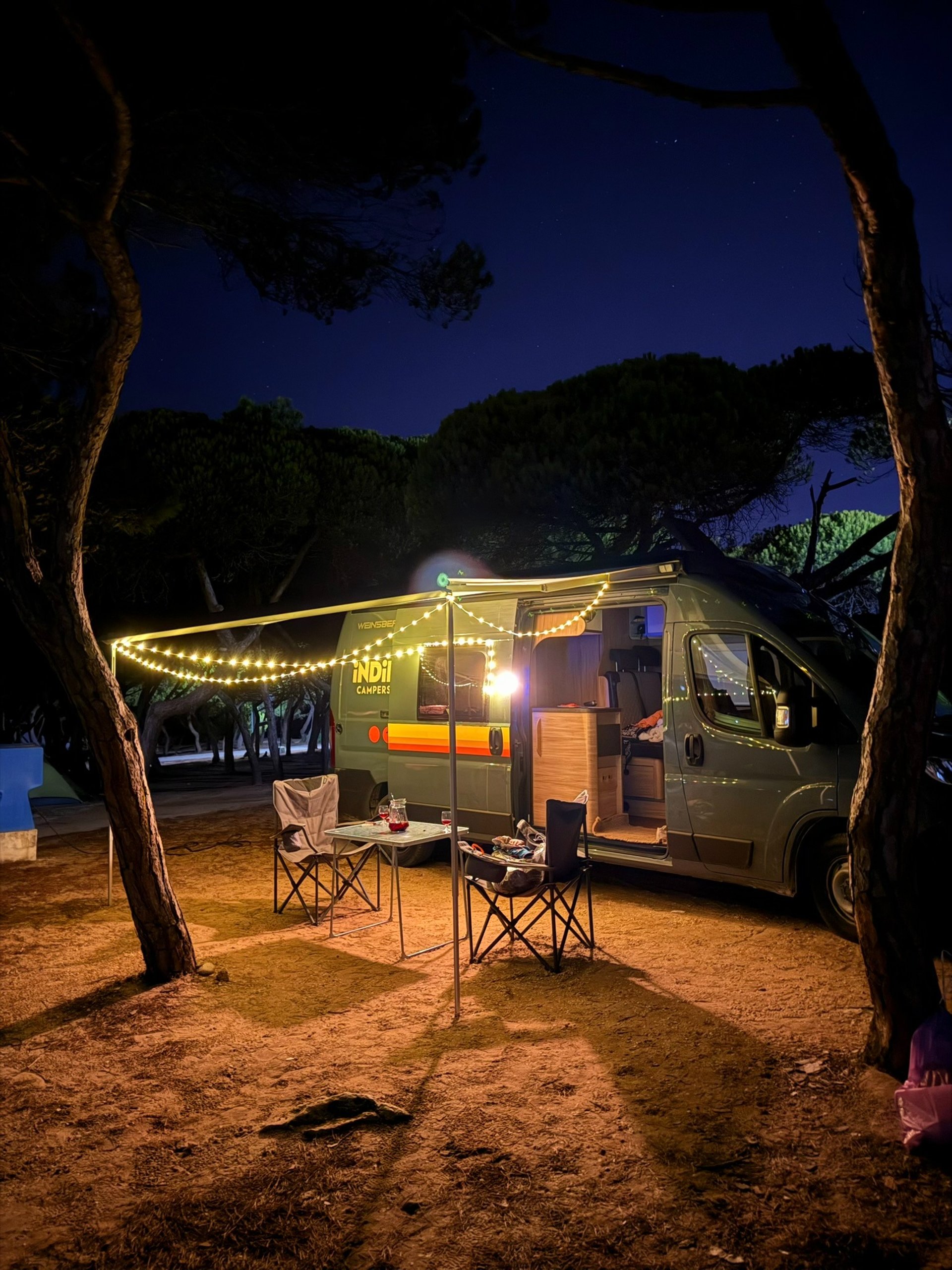
Portugal Campervan Road Trip: The Route We Wish We'd Had
A campervan road trip down Portugal's coast, from Porto to Sagres: Nazaré, the wild Costa Vicentina and the Algarve's sea caves — plus what we'd do differently.
DESTINATIONPORTUGAL
5/27/20265 min read
Some links in this article are affiliate links — if you book through them, we may earn a small commission at no extra cost to you. We only link to places and services we've actually used.
Why Portugal
Because it was reachable, still relatively affordable compared to the rest of Western Europe, and because someone told us the Costa Vicentina was one of the last wild coastlines in Europe. That sentence never left us.
They were right.
The Route: From Porto South, Towards the Ocean
Our trip started with a plot twist. A massive storm diverted our flight to Lisbon, and we found ourselves in the middle of the night in a half-closed airport trying to figure out how to get back up to Porto, where we had our hotel.
Phones dead, camped on the floor looking for a socket, we eventually found a bus at 3:40 in the morning that got us to our starting point. A special thank you to the staff at Hotel Maia, who extended our checkout to midday so we could get a few hours of sleep — highly recommended if you're passing through. The room was massive, the bed huge and genuinely comfortable.
We picked up our campervan early afternoon, and that's when the adventure really started.
The route we drove:
Coimbra — a stop worth making. Portugal's oldest university, authentic fado, tourists in manageable numbers. It deserves more time than we gave it. Our first overnight: grocery run, campsite, and getting used to the van.
Figueira da Foz — our first real beach. Wide, Atlantic, windy. It reminded us we were on the ocean, not the Mediterranean.
Nazaré — the biggest waves in the world. Even off-season, even without the pro surfers, the Sítio promontory gives you something hard to put into words.
Guincho — near Sintra, wilder than you'd expect this close to Lisbon.
Melides — this is where we understood why Portugal was becoming fashionable. A small village with a lagoon, white sand, almost no one around. Go before it changes.
Costa Vicentina — Odeceixe, Aljezur. The Southwest Natural Park. This is where the trip shifted. Beaches are protected, access is limited, nature does what it wants. No beach clubs. No sun loungers. Just cliffs, dunes, and green water.
Lagos — the gateway to the Algarve. Beautiful, lively, with the most photographed sea caves in Portugal right on its doorstep. More touristy than the stops before it, but for good reason.
Sagres — the southwesternmost point of Europe, more or less. The fort, the cape, the physical sensation of standing at the edge of the known world. Non-negotiable.
Benagil and Carvoeiro — Benagil cave lives up to every bit of its reputation, as long as you get there early in the morning.
Eastern Algarve: Tavira, Fuseta, Cacela Velha — perhaps the most unexpected stop. The eastern Algarve is different from the western Algarve — quieter, less developed, with fishing boats and tourists coexisting in a balance that still feels real.
Porto — the last two days. The bad weather had us park the campervan and wander the city properly, ending with a Halloween boat party. The best kind of unplanned ending.
What We Didn't Expect
The wind. The Atlantic is no joke. On the Costa Vicentina in October, the wind is almost constant. It's not a problem — it's part of the landscape — but you feel it when you're sleeping in a van.
The costs. Portugal is still cheaper than France or Spain, but it's changing fast. October is still affordable, and we managed to stay within budget.
The food, in the right places. The pastel de nata in Belém are overrated — you can find better ones everywhere else. Grilled fish in a place with no English menu is one of the best things you can eat in Europe.
The people. We had some communication difficulties, especially in more isolated spots where even English didn't get you far. Luckily, we kept running into French people along the way.
How Much Time Do You Need
We covered the full route in about ten days, with a few longer stops along the way. Two weeks and you'd be comfortable. One week and you'd have to choose: north or south.
Our advice: if it's your first time, cut Porto and Coimbra (you'll come back, we promise) and focus on the Costa Vicentina and the Algarve. That's what stays with you.
The Guide We Wish We'd Had
During the trip we took notes on everything: where we slept (and where we wouldn't go back), what's free and what isn't, beaches with campervan access and beaches without, real day-by-day costs.
We turned all of that into a practical guide. It's not a travel book — it's an operational resource: open it, look it up, decide.
The guide includes:
→ The full route with map
→ 40+ stops with coordinates and practical notes
→ Where to sleep by van, tent, or low-budget
→ Beaches with and without campervan access
→ Real budget: what we actually spent
→ What to eat and where (with real prices)
→ Seasonality: when to go and when to avoid
Planning your own Portugal road trip? Save this on Pinterest and grab our day-by-day campervan guide with the full route, camp spots and real costs. Questions? Message us on Instagram at @elitomstudio.


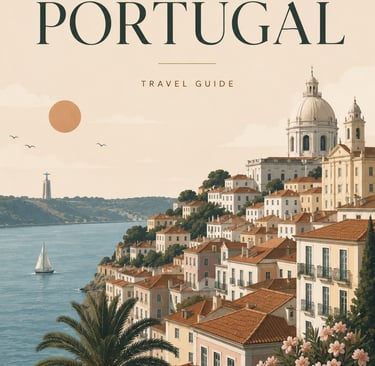
We had planned a 10-day trip, but the weather had other ideas. We had a campervan, a starting point, and the ocean on our left. Portugal did the rest.
If you're thinking about a road trip along the Portuguese coast — whether by van, car, motorbike, or anything else with wheels — this is your starting point. At the end you'll find the full guide with the day-by-day route, places to sleep, hidden beaches, and real cost breakdowns.
But first: the story.
Portugal Road Trip: Common Questions
How many days do you need for a Portugal coast road trip? About ten days for the full Porto–Sagres route, with a few longer stops. Two weeks and you're comfortable; one week means choosing north or south. First time? Cut Porto and Coimbra and give the time to the Costa Vicentina and the Algarve — that's what stays with you.
When is the best time to go? Spring and autumn. We drove it in October: still affordable, far quieter than summer, and the light is beautiful. The trade-off is the Atlantic wind, which is almost constant on the Costa Vicentina — not a problem, but you feel it sleeping in a van.
Can you camp on the beaches with a campervan? Some beaches allow van access, many don't — especially inside the protected Southwest Natural Park (Costa Vicentina), where access is limited on purpose. Always check locally before parking overnight, and use official or tolerated spots rather than improvising on protected dunes.
Is Portugal still a cheap road trip destination? Cheaper than France or Spain, yes — but changing fast. Travelling off-season (like October), cooking in the van and eating grilled fish at spots with no English menu kept us comfortably within budget.
Do you need to speak Portuguese? It helps in isolated areas, where even English doesn't get you far. In the main tourist spots you'll manage in English; off the beaten track, a few words of Portuguese — or, as we found, running into French travellers — goes a long way.
Contact
For tips or collaborations, feel free to reach out.
collab@elitomstudio.com
© 2026. All rights reserved.
This site may contain affiliate links. If you make a purchase through one of these links, we may earn a small commission at no extra cost to you. We only recommend products and services we've personally used and trust.