

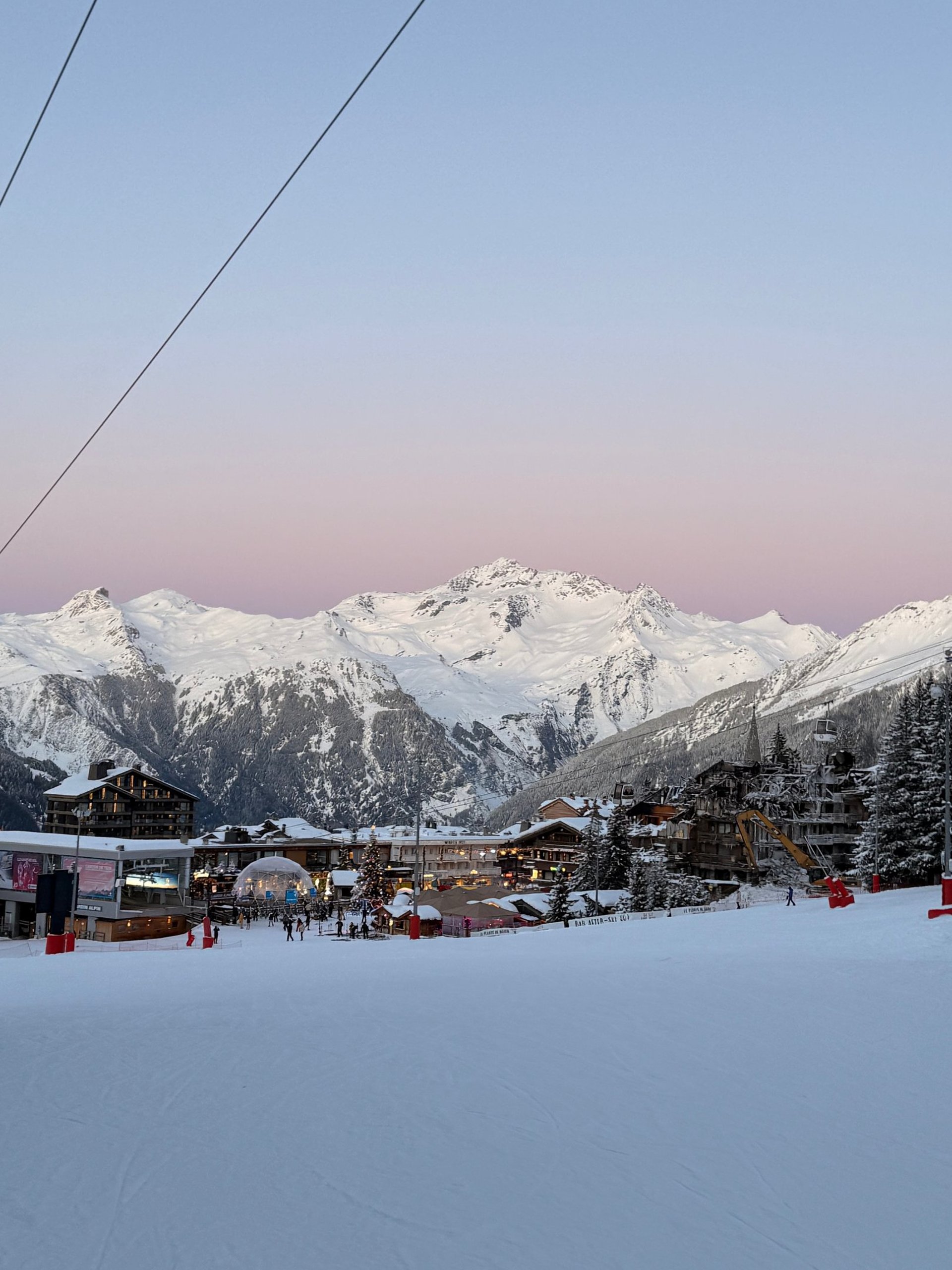
Courchevel From the Inside: What a Winter Season Actually Looks Like
We weren't there to ski. We were there to work. And that difference changes everything.
OUR STORYFRANCE
5/20/20265 min read
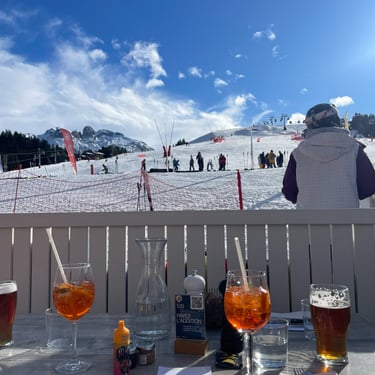
There's a version of Courchevel you see in magazines — immaculate slopes, dream chalets, people with three-thousand-euro skis and cashmere coats taking aperitivo at four in the afternoon. Then there's the version you live when you work there. The two barely resemble each other.
We did a winter season in Courchevel. Tom in front of house, me in pastry. From November to early April, six days a week, in one of the most exclusive corners of the French Alps. This article is what we wish we'd read before we left — the honest version, no Instagram filter.
Courchevel: A Place That Doesn't Exist the Way You Think
Courchevel isn't a village. It's a system of connected resorts — 1300, 1550, 1650, and the most famous: Courchevel 1850, now rebranded simply as Courchevel village. Each altitude has its own atmosphere, its own prices, its own type of clientele.
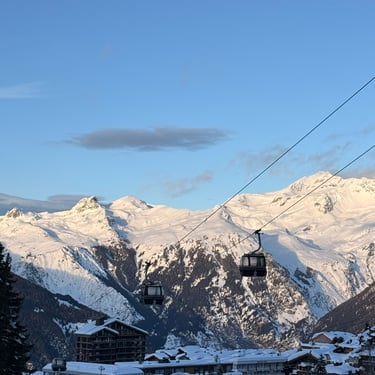
At the top, at 1850, there are five-star palaces, Louis Vuitton boutiques in the middle of the snow, private helicopters landing directly on the slopes. Lower down, life is more normal — seasonaires, French families, jeeps packed with ski gear.
We happened to live at 1850. The upside is the convenience for work, especially when you wake up and there's a metre of snow outside. The downsides... even a coffee costs an unreasonable amount, and you get the feeling of living in a bubble completely disconnected from the real world.
The Reality of Seasonal Work
Nobody tells you certain things before you leave for a season. So I will.
The hours are brutal. Not in a dramatic way, but in a very concrete one: double shifts, lunch and dinner service, days off that change constantly, and a relationship under real pressure. In high-season weekends — February, the French school holidays — you exist only for work.
The contrast is mentally exhausting. You serve people who spend in one evening what you earn in a year. It's not necessarily bitterness — it's a strange feeling, hard to explain. After a while it stops surprising you and just becomes your context. The one thing we never managed to get used to, though, was the rudeness of so many of the guests.
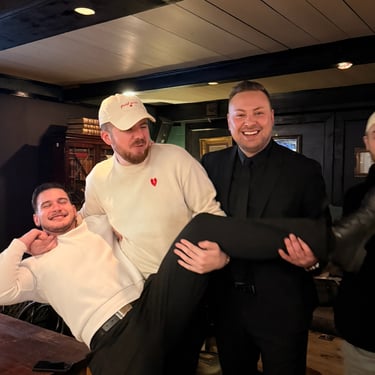
The seasonaire community saves everything. This is the secret nobody tells you. You work together, you drink together after your shift, you understand someone's world in three weeks better than you would in three years of normal life. It's intense. It's wonderful. It's one of the things you miss most afterwards. But be careful — it's easy to fall into the toxic side of these circles when you're living so isolated from everything else.
You can save money, if you want to. Accommodation and meals are almost always included or heavily subsidised. If you're not spending on nights out and you manage your free time sensibly, you walk away with something in your pocket at the end. Plenty of seasonaires use the winter season exactly like that — to fund the rest of the year.
Life Outside Your Shift
This is the chapter people don't expect.
Courchevel off-duty, for the people who actually live there, is surprisingly small. You're not a tourist — you can't afford to be, either financially or mentally. You explore differently.
If skiing is your thing, you're in the best place in Europe. You can apply for a season pass (pass saisonnier) and get access to the best slopes at a fraction of the regular price. For those of us who aren't big skiers, it falls back on the gym and the leisure facilities at Aquamotion.
Days off become precious in a different way. At first you use them to see all the new colleagues and build connections, but as soon as the Christmas holidays hit, you quickly realise that free time needs to go towards rest. And for couples like us with completely opposite schedules, it becomes the time you finally get to actually find each other again. Because even living in the same house, you can very quickly turn into flatmates when your shifts never line up — the only time you really share is falling into bed at night.
The real win is managing to negotiate two days off in a row, so you can actually decompress, come down the mountain, and return to the real world for a moment.
The Cold. The Real Cold.
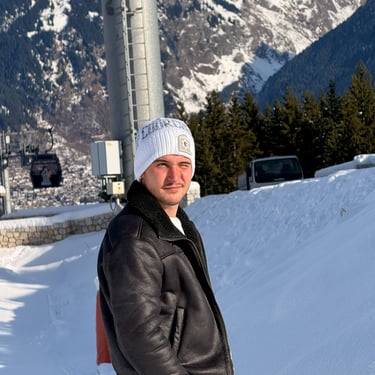
If you come from a city at the foot of the Alps like I do, you have a rough idea of cold and grew up with snow. But if you're like Tom, arriving from an island in the middle of the Indian Ocean, the story is a little different.
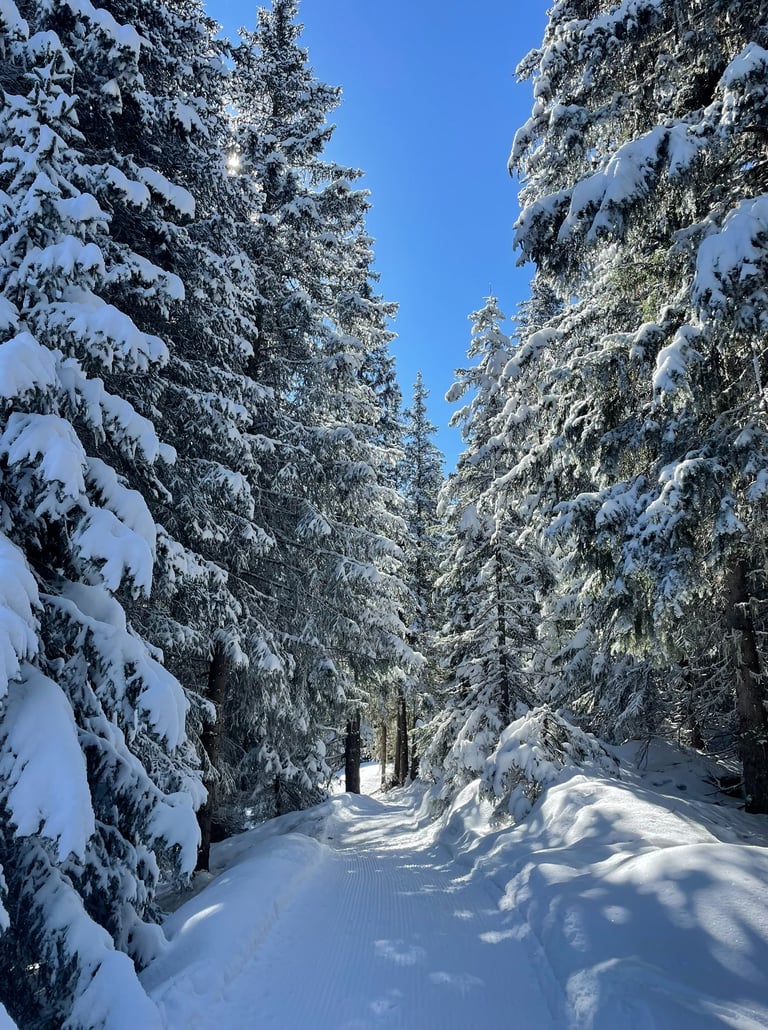
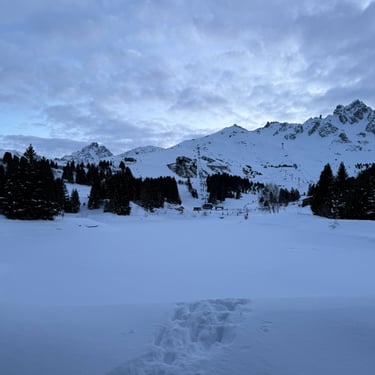
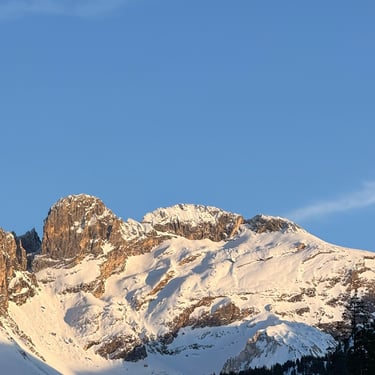
By mid-November the landscape is completely white, and that colour stays with you until the very end.
The most practical thing to know: invest in proper technical clothing before you leave. You don't need the most expensive gear, but you need the right gear. Thermal base layer, fleece mid layer, waterproof windproof jacket. Winter boots are non-negotiable.
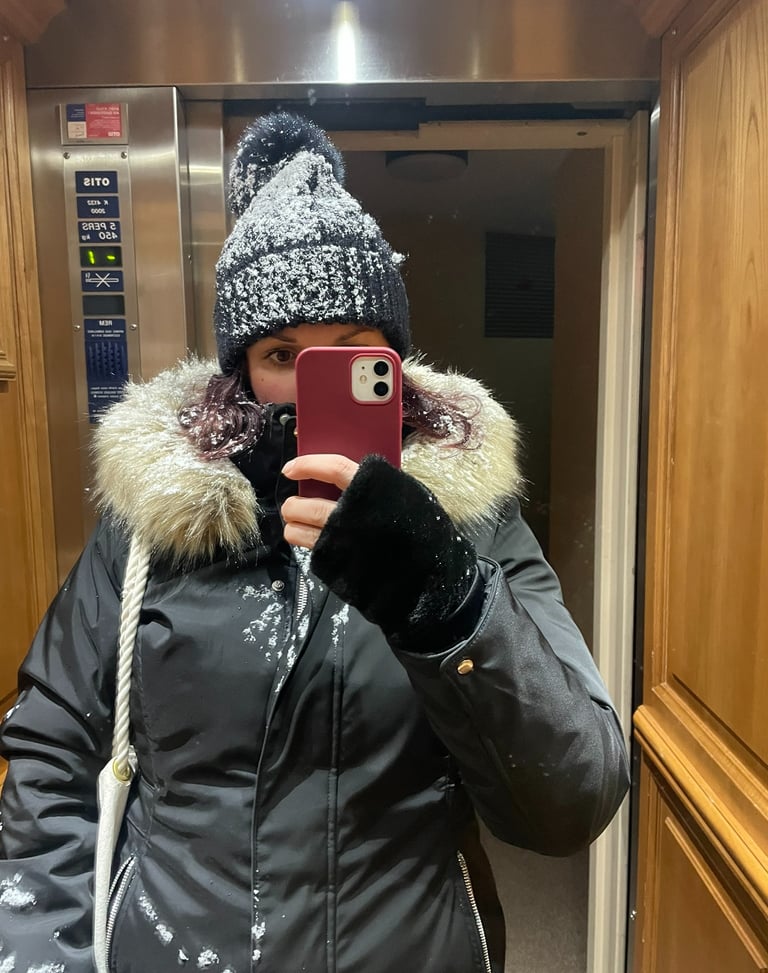
Forget heels and going out dressed up — here you'll be walking through snow and ice, and temperatures drop below zero every single evening. Our season was very, very cold. We had days when we'd leave for work at 6am with -22°C outside, and by midday it hadn't climbed above -10°C.
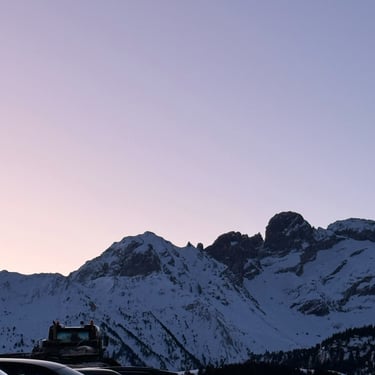
But let's talk about the snow. It looks wonderful when you're watching it fall from inside by a fireplace — but that won't be your reality here. It will be with you constantly. You'll find yourself riding the snowcat up the slopes with cold cutting straight through you, shovelling snow off the restaurant terrace, and always having frozen hands and a frozen nose.
Is Courchevel Worth It as a Tourist Destination?
Yes, but not for everyone and not always.
If you love skiing on perfect slopes, have the budget, and want a high-end mountain experience — Courchevel 1850 is unbeatable in its category. Les Trois Vallées, the largest ski area in the world, is right on your doorstep.
If you're looking for somewhere authentic, affordable, or off the beaten luxury track — go elsewhere. Megève, Morzine, Valloire: same mountains, completely different atmosphere.
Us? We're glad we went. We wouldn't go back as tourists — but as a life experience, as a season, as a chapter — it's one of those that stays with you.
The Part That Doesn't Go on a CV
A working season in the high mountains teaches you things you won't find in any course. You work with people from ten different nationalities. You handle the pressure of service in a context of extremely high expectations. You learn to live in small spaces with people you didn't know.
And you learn — this is the point — to tell the difference between what you actually want and what you thought you wanted.
We came out of Courchevel with a much clearer idea of where we were headed. La Réunion the following summer. Then this blog, this life, this project.
It didn't happen by accident.
________________________________________________________________________________________________________________________________________________________IIf you want to know how we ended up in Courchevel in the first place — and what came before and after — read our story
Thinking about a winter season? Write to us — @eli.tom83 on Instagram. We're always happy to answer.