

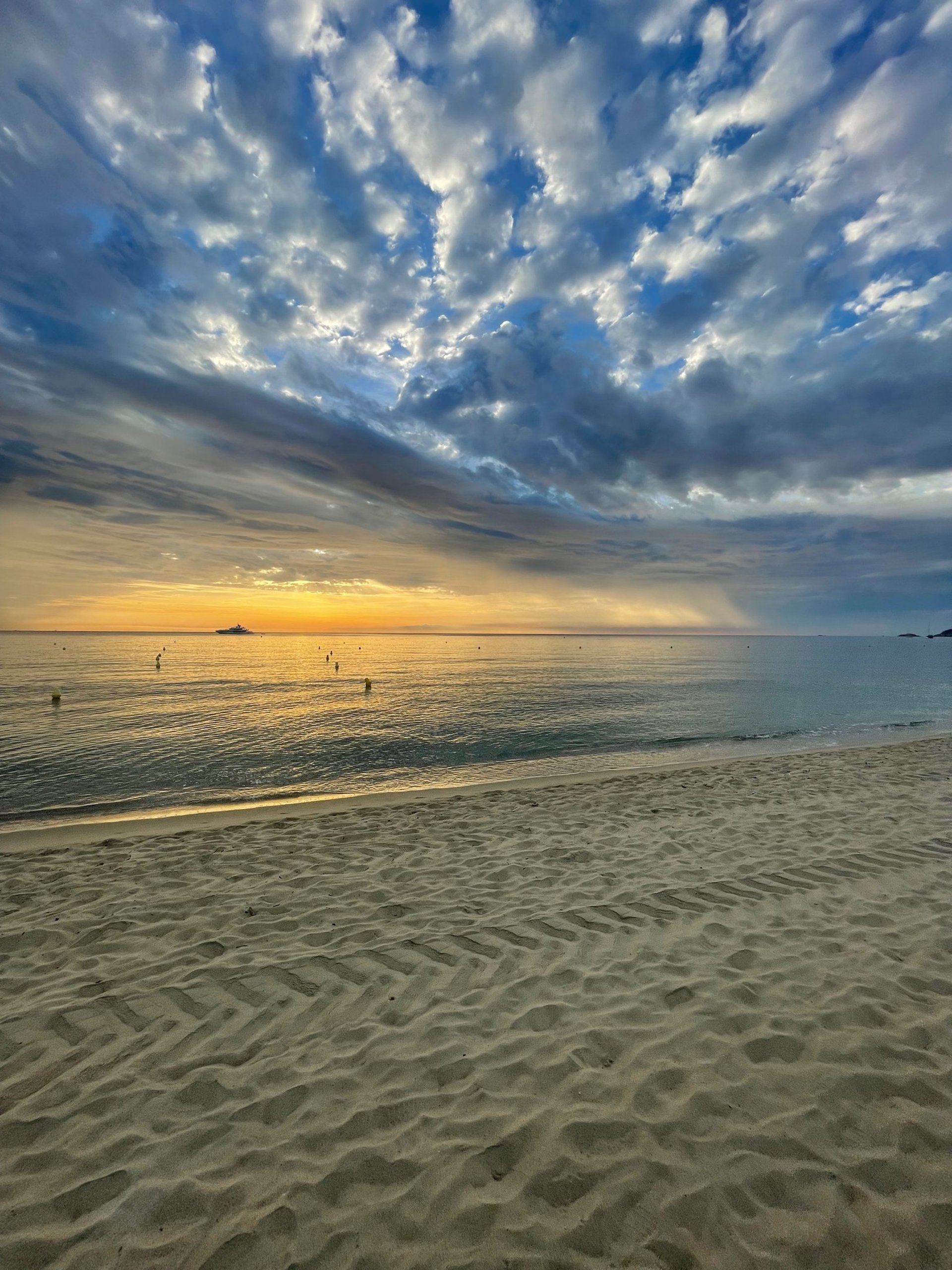
Saint-Tropez: Where It Started
How we met working a summer season in Saint-Tropez, and the real town behind the yachts: the 6am port, Place des Lices market, and the beach you reach on foot.
OUR STORYFRANCEDESTINATION
5/11/20262 min read


How we meet
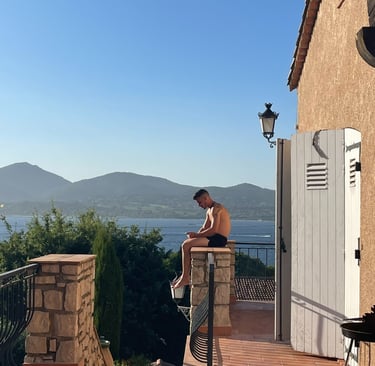
Neither of us planned it. We met in a restaurant kitchen in the middle of a summer season — the same long shifts, the same complaints, the same quiet corners found on days off. Something accumulated, and then it didn't stop. We weren't looking for a life change. We got one anyway.
What It Meant to Us
We're not going to over-explain this part. We met here, worked the same hours, found the same corners of the same beautiful place, and walked out of that season as a couple. Saint-Tropez isn't where we're from. It's where we started.
Where the Journey Went Next
Since then we've kept moving — a winter season in Courchevel, autumn in the Algarve, and three months in the Indian Ocean, where Tom grew up. That summer led to La Réunion and Rodrigues — and to wherever comes next. The itinerary keeps getting longer, but it all traces back to one restaurant kitchen on the Côte d'Azur.
The practical side — the 6am port, the market, the free beaches, the walk to Cap Taillat, when to go and how to survive the traffic — lives in one place now: our full Saint-Tropez insider guide. This piece is the other half: the reason any of it mattered to us.Follow us on Instagram and Pinterest @elitomstudio — we document the whole thing, including what doesn't work.
Saint-Tropez is where it started, and we'll keep coming back. Follow the rest of the journey on Instagram and Pinterest @elitomstudio — and save this for when you want the story behind the place.
The Saint-Tropez We Fell For
The real town shows itself early. Before 8am, before the day-trippers and the yachts wake up, the old port is still a working port — fishermen, quiet, the light doing something extraordinary on the water. Twice a week the Place des Lices fills with the Provençal market, the one where locals actually shop. And above it all sits the Citadelle, ten minutes uphill, almost always empty, with the whole gulf below.
None of this is a secret, exactly. It's just that most people arrive for the other Saint-Tropez and never see this one. We saw it every day, at the hours when the town belonged to the people who keep it running.
Saint-Tropez has a reputation problem. The yachts, the €30 cocktails, the wealth on display — that's the version everyone knows, and it has almost nothing to do with the place underneath: the light, the Provençal streets, the fact that it's stubbornly beautiful long before anyone wakes up to perform.
We know that version because we lived the other one. We spent a summer here working a hospitality season — long hours, late nights, the kind of tiredness that makes everything sharper. It's also where the two of us met. This is that Saint-Tropez, and how it became the start of everything that came after.
Cap Taillat, Our Beach
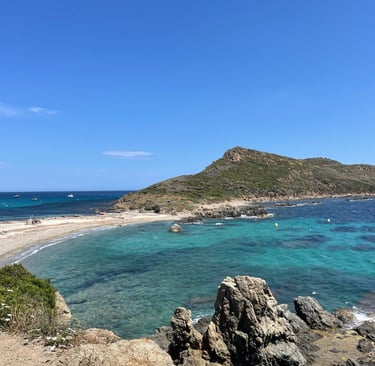
Fifteen kilometres out, past Ramatuelle, there's a beach you can only reach on foot — about 45 minutes through pine and maquis, no road, no beach bar, no parasols. Just white sand, turquoise water, and silence.
That was our beach. The one we'd walk to on days off, when the season got too loud and we needed to remember why we were there.
Contact
For tips or collaborations, feel free to reach out.
collab@elitomstudio.com
© 2026. All rights reserved.
This site may contain affiliate links. If you make a purchase through one of these links, we may earn a small commission at no extra cost to you. We only recommend products and services we've personally used and trust.